
Utah weed guide · 4 min read
Cheatgrass and Fire Safety on Utah Foothill Lots
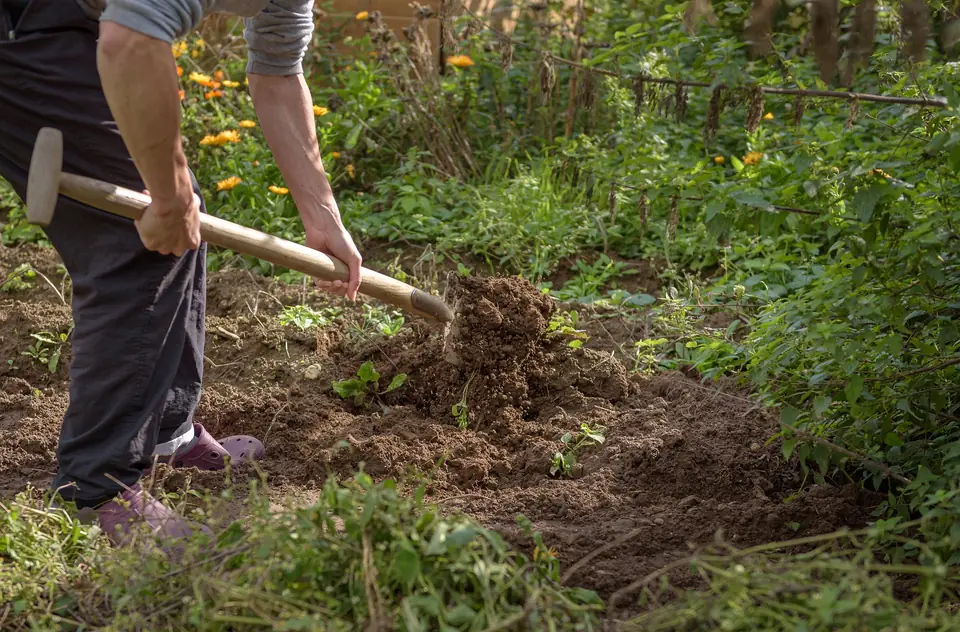
If your home sits on the bench or in the foothills — from Draper and Sandy to Highland and Alpine — you’ve seen cheatgrass. It greens up early each spring, then dries to a tan, wispy carpet by early summer.
Why cheatgrass matters
Dry cheatgrass is a fine, fast-igniting fuel, and wildfire agencies commonly recommend reducing it near structures. Besides fire concerns, its sharp seeds can lodge in pets’ fur and paws.
Reducing cheatgrass near your home
- Pull it in spring, before it sets seed. Pulling after seed formation can scatter seed.
- Focus on the zone closest to your home — foundation edges, decks, fence lines, and beds.
- Bag, don’t scatter. Remove pulled plants from the property if they carry seeds.
- Repeat yearly. Cheatgrass seed doesn’t last as long in soil as some weeds, so a few seasons of consistent pulling can make a real dent.
Hand pulling on slopes
Hillside lots are hard to mow, and spraying slopes risks runoff. Hand pulling is controlled, precise, and doesn’t disturb native plants you want to keep.
Foothill homes in Utah County and Salt Lake County are a great fit for our weekly service. Start early in spring, before cheatgrass dries out.
Related guides
Where we pull weeds
Serving Utah County and Salt Lake County — find your city. Popular: Lehi, Provo, Orem, American Fork, Sandy, Draper, South Jordan, Salt Lake City.